Showing posts with label Pane - Bread. Show all posts

24 January 2012

Croissant di pane con mele e gorgonzola


E' passato un pò di tempo dalla pubblicazione dell'ultimo post, devo dire che ultimamente sono poco creativa in cucina e non va bene. Sabato scorso, quando ho preparato questi sfiziosi croissant per un aperitivo tra amici (e sono finiti subito),  mi sono ripromessa di non lasciar passare tutto questo tempo tra un esperimento e l'altro. A parte il particolare divertimento che provo nello spadellare, impastare ed infornare, vogliamo mettere il piacere che si prova nel mangiare qualcosa di buono, goloso ed assolutamente originale preparato da te medesima? Ineguagliabile.
Questi croissant di pane sono l'ideale per un aperitivo, van bene mangiati da soli o anche accompagnati da dei salumi. Potete variare il ripieno con ciò che preferite, fate attenzione a chiudere bene le due estremità per non far fuoriuscire tutto durante la cottura.


Ingredienti
per l'impasto: 230ml di latte, tiepido - 15gr di burro - 175gr di farina - 175gr di farina Manitoba - 1 cucchiaino e ½ di sale - 1 cucchiaino e ½ di zucchero - 10gr di lievito di birra
per il ripieno: tre cucchiai di gorgonzola dolce - 1 mela annurca sbucciata e tagliata a dadini

Mettere tutti gli ingredienti in un robot da cucina ed azionare a media velocità, impastare per un paio di minuti. Prendere l'impasto, formare una palla e sistemarlo in una ciotola. Coprire con un telo e lasciare lievitare in un luogo riparato da correnti d'aria per tre ore.
Trascorso questo tempo, dividere l'impasto in dodici palline. Formare con ognuna una stringa, stenderla col mattarello (lunghezza tot. 15cm) facendo in modo da avere una base più larga e una punta all'estremità opposta, in modo da formare un triangolo come per i croissant dolci. Sistemare sulla base larga un cucchiaino di mela e un paio di gorgonzola. Iniziare ad arrotolare dalla base fino ad arrivare alla punta. Sistemare uno ad uno su una teglia da forno coperta di carta forno, curvando ognuno fino a formare una mezzaluna. Pizzicare le estremità in modo da sigillare la pasta e non far fuoriuscire il ripieno. Lasciar lievitare ancora per 40 minuti. Infornare a 190° per 18-20 minuti. Servire tiepidi o freddi.


Bread croissant with apple and gorgonzola


It's been a while since my last post, I have to admit that lately I've been really little creative and this is not good at all. Last saturday, when I've prepared these croissant for an happy hour with some friends (and they finished in no time), I promised to myself that I couldn't let that happen again. Besides my personal joy of cooking, kneading and baking, what about the pleasure you find in eating something so good, tasty and absolutely original that you have prepared all on your own? That's peerless.
These bread croissant are good as an appetizer, you can eat them alone or also with cold cuts. You can also change the filling with your favourite ingredients, be careful to pinch well both ends of the croissant in order to avoid the filling to come out during baking.

Ingredients
for the dough: 230ml (1cup - 8oz) milk, warm - 15gr (3.2tsp) butter - 175gr (0.8cup - 6oz) all purpose flour - 175gr (0.8cup - 6oz) Manitoba flour - 1½ tsp salt - 1½ tsp sugar - 10gr (2.2tsp) brewer's yeast
for the filling: three tbs sweet gorgonzola cheese - 1 very small apple, peeled and diced

Place all ingredients in a food processor and start at medium speed for a couple of minutes. Now place the dough in a bowl, cover with a cloth and leave to rise for three hours.  
After this time, divide the dough into 12 small balls. With the help of a rolling pin, form with each one first a strip 15cm long, then a triangle, having a large base on one side and a head on the oder one. place on each base 1tsp of apple and 2tsp of gorgonzola. Now roll the dough starting from the base till you arrive to the head. Place each croissant on a baking sheet coverd with parchment paper, and delicately bend each one in order to form a half-moon (crescent). Pinch each end with your fingers, this way the filling won't come out while baking. Leave to rise 40 minutes more. Bake at 190°C for 18-20 minutes. Serve lightly warm or cold.

23 October 2010

Burger buns


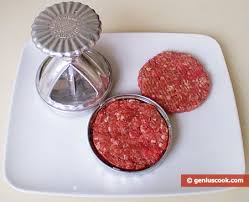
Esatto, avete letto bene: burger buns, e cioè i panini per gli hamburger. Io, gli hamburger, li preparo spesso in casa, con carne macinata fresca e con la pressa (come questa), poi li cuocio sulla piastra (o sul barbecue l'estate) e farcisco i panini con carne, lattuga, cipolla fette, pomodoro, formaggio, ketchup, maionese e senape. Il pane normalmente lo compro, per comodità, questa volta però ho voluto provare una ricetta di Laurel Evans, autrice di "Buon appetito America!". Il libro è una raccolta di autentiche ricette americane, scritte attraverso un viaggio gastronomico che percorre tutta l'America, da nord a sud, da est ad ovest, riscoprendo le tradizioni culinarie d'oltreoceano. Contrariamente a quello che si può pensare, l'America non ha solo hamburger, patatine fritte e hot dog, ma una cucina ricca e molto varia che affonda le sue radici in Europa e in Africa, ed è il frutto dei contributi provenienti da ogni parte del mondo. Nel libro si parla di brunch, ricette delle feste - per il ringraziamento, natale e il 4 di luglio - ma anche di zuppe, panini, insalate e, ovviamente, torte e biscotti! Il tutto è arricchito da foto da acquolina in bocca ad opera di Emilio Scoti. Questa ricetta la trovate nel libro ma anche nel blog di Laurel, Un'Americana in cucina.


Per 8 panini
Ingredienti: 180ml di acqua calda - 30g di burro, ammorbidito - 1 uovo - 450g di farina - 50g di zucchero - 1 cucchiaino di sale - 10gr di lievito fresco*1 uovo sbattuto con un cucchiaino d’acqua - semi di sesamo
*la ricetta originale prevede 1 bustina di lievito secco

Mescolare tutti gli ingredienti assieme e lavorare l'impasto per circa 10 minuti fino a quando diventa soffice e liscio (io utilizzo una macchina del pane). Trasferirlo in una ciotola leggermente unta di olio, coprire e far lievitare per un paio d'ore, o finché avrà raddoppiato il volume. Trascorso questo tempo, sgonfiare leggermente l’impasto, formare un panetto e tagliarlo in 8 parti. Formare con ciascuno un disco dello spessore di circa 2,5 cm e di 8cm di diametro di 8 cm. Mettete i panini su una teglia leggermente unta di olio, coprite e lasciateli lievitare per un’altra ora, finché sono bene gonfi. Accendere il forno a 190°C, sp
enellare i panini con l’uovo sbattuto con un cucchiaino d’acqua, poi spolverare con i semi di sesamo. Infornare e cuocere finché avranno raggiunto una bella doratura, per circa 15 minuti.


Burger buns


That's right, you've read well, burger buns. I often prepare hamburgers at home, with fresh ground meat with a hamburger press (like this one) and cook them on a grill pan (or with barbecue during the summer) and stuff buns with meat, lettuce, sliced onion, tomato, cheese, ketchup, mayonnaise and mustard. I normally buy buns, it's easier, but this time I wanted to try a recipe from Laurel Evans, author of "Buon appetito America!". The book gathers together authentic American recipes, written through a gastronomic journey which covers all America, from north to south, from east to west, discovering overseas cooking traditions. Despite anyone could imagine, America doesn't have only hamburgers, fries and hot dogs, but a rich and varied cooking with deep roots in Europe and Africa, a cooking which is the result of the contribution from all over the world. In the book you find brunch, feast recipes - Thanksgiving, Christmas and the 4 of July - but also soups, sandwiches, salads and, obviously, cakes and cookies! All this enriched by mouth-watering pictures by Emilio Scoti. You can find this recipe in the book but also in Laurel's blog, Un'Americana in cucina.


Makes 8 buns
Ingredients: 180ml (3/4c) warm water - 30g (2 tbsp) butter, softened at room temperature - 1 large egg - 450g (3.5c) all purpose flour - 50g (1/4c) sugar - 1 tsp salt - 10gr (2,2tsp) brewers yeast* - 1 egg lightly beaten with 1tbsp water - sesame seeds
*the original recipes wants 1 package instant yeast

Mix together all dough ingredients either by hand, mixer, or bread machine for about 10 minutes to make a soft, smooth dough. Place the dough in a clean and lightly greased bowl. Cover it with a towel and let rise for about 1 to 2 hours, until doubled in size. Gently deflate the dough, carefully roll into a log and cut into 8 pieces. Shape each piece into a disk, about 1 inch (2.5 cm) thick and about 3 in (8 cm) across. Place the buns on a lightly greased baking sheet, cover, and let rise for about an hour, until very puffy. Preheat oven to 190°C (375°F). Beat together the egg and water to make the egg wash. Brush buns lightly with egg wash, and sprinkle with sesame seeds. Bake the buns in preheated oven until golden, about 12 to 15 minutes.


Burger Buns on FoodistaBurger Buns

13 April 2010

Il mio pane integrale, versione definitiva


Dopo diversi tentativi sono arrivata alla versione definitiva del mio pane integrale, anche se forse dovrei chiamarlo "pane con varie farine integrali e di cereali", dato che l'ingrediente principale non è solo la farina integrale. E' il pane che faccio un giorno sì e uno no, quello che ci piace di più e che mi viene meglio. Grazie poi ai consigli di uno chef "conosciuto" su Facebook, ho diminuito gradualmente le quantità di lievito (anche se probabilmente lui mi direbbe di scendere ancora) e aumentato i tempi di lievitazione, con ottimi risultati.


Ingredienti: 100gr di farina di segale - 150gr di farina di farro - 150gr di farina integrale - 100gr di farina Manitoba - 300gr di acqua - 3 cucchiai di semi di girasole - 1 cucchiaio di olio extravergine di oliva - 2 cucchiaini di sale - 1 cucchiaino di malto d'orzo - 4gr di lievito di birra

Con Macchina del Pane o impastatrice: Mettere gli ingredienti nella MdP, acqua e sale assieme, poi le farine, il malto d'orzo, l'olio e il lievito e selezionare il programma impasto. Al suono del beep aggiungere i semi di girasole.
A mano: Mescolare la farina con il sale, aggiungere gradatamente l'acqua tiepida, il lievito fatto sciogliere in un poco d'acqua e infine il malto d'orzo. Impastare bene in modo da ottenere un impasto morbido ed elastico e aggiungere l'olio e i semi di girasole. Lasciare lievitare, coperto, per tre ore e mezza.

Prendere l'impasto, sgonfiarlo e, su una superficie infarinata con farina integrale, dividerlo in 5 o 6 parti (dipende da quanto volete grandi i panini), formare con ognuna delle stringhe e appiattirle con le mani. Partendo da un'estremità iniziare ad arrotolarle su sé stesse, sistemarle in una teglia ben infarinata o rivestita di carta forno e lasciar lievitare ancora per 40 minuti. Infornare a 230° gradi e cuocere per 15 minuti, quindi girare i panini e proseguire la cottura per altri 5 minuti.


My wholewheat bread, final release


After many attempts I've released the final version of my wholewheat bread, even if I should call it "wholewheat and cereal flour bread", as the main ingredient is not only wholewheat flour. This is the bread I make every other day, the one we like the most at home and also my best one. Thanks to the advice of a chef "met" on Facebook, I've gradually lowered yeast quantities (he'd probably suggest to diminish more) and increased rising times, with great results.


Ingredients: 100gr (0.4cup -3.5oz) rye flour - 150gr (0.7cup - 5.6oz) emmer flour - 150gr (0.7cup - 5.6oz) wholewheat flour - 100gr (0.4cup -3.5oz) Manitoba flour - 300gr (1.3cup - 10.5oz) water - 3tbs sunflower seeds - 1tbs extravirgin olive oil - 2tsp salt - 1tsp barley malt - 4gr (0.9tsp) fresh yeast

With a kneader or a bread machine: Put all ingredients into the kneader or the bread machine, water with salt, then all flours, barley malt, oil and yeasts, select kneading program (the basic one), for bread machine. At the beep add sunflower seeds. Leave the dough to rise for three hours.
Without a kneader or a bread machine: Mix flours with salt, add by degrees warm water and yeast - melted in a bit of water, and then barley malt. Knead until you'll obtain a soft and elastic dough, then add oil and sunflower seeds. Leave the dough to rise for three hours and a half.

Take the dough and, on a floured surface (use wholewheat flour), divide it into five or even six parts (it depends on how big you want your rolls). Now form with them streaks, flatten them with your hands and then roll them up. Transfer on a baking sheet, floured or coverd with parchment, and leave to rise for another 40 minutes. Bake at 230°C (450F - gas mark 8) for 15 minutes, then turn the rolls and cook again for other 5 minutes.

20 January 2010

Brioche con datteri e noci


Stavo "covando" questa brioche da tempo, da quando ho visto la ricetta sul numero di Dicembre di Sale & Pepe. Ho aspettato però la fine delle feste natalizie, tra panettone, pandoro e torrone ce n'era già abbastanza di dolci da mangiare. Ho riadattato la ricetta in base ai miei gusti, diminuendo la quantità di lievito e sostituendo i fichi secchi con i datteri e aggiungendo anche le noci. La brioche è poco dolce, quindi se vi piace, potete aumentare le dosi di zucchero. La mia si è scurita e asciugata un pò troppo durante la cottura, sarebbe dovuta essere più dorata, quindi tenetene conto se anche voi avete un vecchio forno, e semmai diminuite la temperatura e tenetela d'occhio durante la cottura.


Ingredienti: 250gr di farina di mais fioretto - 250gr di farina manitoba - 2 uova intere - 2 tuorli d'uovo - 120gr di burro - 50 gr di zucchero - 200gr di datteri - 150gr di noci - 15gr di lievito di birra - 125ml di latte - 2 cucchiai di rum - scorza grattugiata di 1 limone non trattato - sale - zucchero a velo

Mescolare 100gr di farina manitoba con il lievito e il latte, lasciare lievitare per 30 minuti. Snocciolare e tagliare a pezzetti i datteri e lasciarli ammorbidire nel rhum. Tritare grossolanamente le noci. Dopo la lievitazione, impastare il composto assieme alla farina rimasta, le uova sbattute appena, il burro fuso, lo zucchero, la scorza di limone e un pizzico di sale. Impastare per 10 minuti e aggiungere un minuto prima i datteri (strizzati) e le noci. Lasciar lievitare coperto in un luogo riparato per due ore. Trascorso questo tempo, prendere l'impasto e dividerlo in piccole parti, dovrete formare tante palline (grandi quanto un limone all'incirca) e sistemarle in una teglia rotonda di 30cm di diametro, oppure direttamente sulla teglia da forno, in entrambi i casi dovrete utilizzare la carta forno. Si inizia a posizionarle partendo dal centro, con una pallina, poi altre cinque intorno in un primo cerchio e poi le ultime a formare l'ultimo cerchio. Lasciar lievitare ancora per 45 minuti, quindi infornare a 180° per 35 minuti. Lasciar raffreddare e spolverizzare con dello zucchero a velo a piacere. Per mangiarla, si prendono volta a volta i panini con le mani non si taglia con il coltello.


Dates and nuts brioche


I was thinking about baking this brioche from a long time, since I saw the recipe from Sale & Pepe, December issue. I've wated the end of Christmas holidays though, there where too many panettone, pandoro and torrone to try this one too. I've adapted the recipe, lowering yeast quantities and substituting dried figs with dates and adding nuts. The brioche is not very sweet, so you can think about adding some more sugar if you like. Mine browned too much, it had to be golden brown, so you should keep it in mind if you too have an old oven, just in case lower oven temperature and watch it during baking time.


Ingredients: 250gr (1.1cup - 8.8 oz) maize flour, fine-grained - 250gr (1.1cup - 8.8 oz) Manitoba flour - 2 eggs - 2 egg yolks - 120gr (0.5cup - 4oz) butter - 50gr (0.2cup-1.7oz) sugar - 200gr (0.9cup-7.2oz) dates - 150gr (0.7cup - 5.6oz) nuts - 15gr (3.2tsp) brewer's yeast - 125ml (4.3oz)milk - 2tbs rhum - zest of 1 lemon - salt - icing sugar

Mix together 100gr (½cup-3.5oz) Manitoba flour, yeast and milk. Leave to rise for 30 minutes. Reel off dates' stones, chop them and leave them in a bowl with rhum to soften. Grind nuts. After rising, knead the mixture with the remaining flour, eggs lightly beaten, melted butter, sugar, lemon zest and a pinch of salt. Knead for ten minutes and add dates and nuts only at the end. Leave the dough to rise for two hours. After this time, take the dough and divide it into small balls the size of a lemon. You should place them in a round tin with a diameter of 30cm (12inch) or also on a baking sheet. Either case, use parchment paper. Start from the centre with one ball, proceed forming the first circle with five balls, then use the remaining balls to form the second circle. Leave again to rise for 45 minutes, then bake at 180°C (350° F) for 35 minutes. Cool down, then dust with icing sugar. When you want to eat it, just grab a brioche with your hands, you don't need to use a knife.


29 June 2009

Grissini alla cipolla

Era veramente tanto tempo che mi ero messa in testa di fare i grissini, ma non dei grissini qualsiasi, li volevo alla cipolla. Non avendoli mai preparati prima, sono partita da una ricetta di sicuro successo, quella delle sorelle Simili dei grissini torinesi stirati. Ho modificato solo alcune cose e aggiunto, ovviamente, la cipolla. Beh, se avete tanta pazienza e resistenza al caldo, perché il forno rimarrà acceso per un paio d'ore, provateli, sono croccanti, gustosi e si possono mangiare un pò in ogni occasione: antipasto, aperitivo, al posto del pane. Volendo, la cipolla può essere sostituita da erbe aromatiche, sesamo, semi di papavero, dadini di prosciutto o ciò che preferite.


Ingredienti: 300gr di farina - 200gr di farina Manitoba - 250gr di acqua - 10gr di lievito di birra - 1 cucchiaino colmo di sale - 50gr di olio extravergine di oliva - 1 cucchiaino di malto d'orzo -1 grossa cipolla - farina di grano duro q.b.

Mescolare assieme le farine, l'acqua, il sale, il lievito, l'olio e il malto. Lavorare energicamente l'impasto e alla fine aggiungere la cipolla tritata finemente. Impastare ancora quindi su un piano infarinato con la farina di grano duro, dargli la forma di un rettangolo di circa 10x30cm, spennellarlo con l'olio, quindi coprire con un canovaccio e lasciar lievitare per 2 ore. Trascorso questo tempo, con un coltello iniziare a tagliare i grissini dello spessore di un dito e stenderli su una teglia rivestita di carta forno. Non lavorare o reimpastare però, stenderli con le mani e nel caso fossero troppo lunghi tagliare i pezzetti in eccesso e lasciarli cuocere così. Infornare a 200° per ca. 20 minuti (occorreranno diverse infornate). Si conservano bene per diversi giorni avvolti da carta di alluminio.


Onion grissini


I wanted to make grissini (bread-stick) since a long time, but not only plain grissini, I wanted the onion ones. I've never made them before, so I've decided that the best thing to do was to start from a good, trustworthy recipe, the grissini torinesi stirati (= strained grissini from Turin) by the Simili sisters. I've changed only few things and, of course, I've added onion. If your patient enough and have a good heat resistence, beacuse your oven will be going for about two hours, well, try them, they're crunchy, tasty and suitable for every occasion: appetizer, starter or even in place of bread. If you like, you can substitute onion with the ingredients that you prefer: herbs, sesame seeds, poppy seeds, diced ham.


Ingredients: 300gr (1.3 cup-10.4oz) plain flour - 200gr (½cup-3.5oz) Manitoba flour - 250gr (1.1cup - 8.8oz) water - 10gr (2.2tsp) brewer's yeast - 1tsp salt - 50gr (0.2cup-1.7oz) extravirgin olive oil - 1tsp barley malt -1 big onion - whole wheat flour as needed


Mix together both flours, water, salt, yeast, oil and malt. Knead energically and then add onion, thinly chopped. Knead again then form a rectangle of about 10x30cm (4x12inch), put it on a surface floured with hard wheat flour, brush it with olive oil, then cover it with a cloth and leave to rise for 2 hours. After this time, start slicing the grissini - thick as a finger -with a sharp knife and strain them and place them on a baking sheet covered with parchment paper. Don't knead or blend the dough, if the grissini are too long, just cut off the exceeding piece and bake it just like that. Bake at 200° C (400°F - gas mark 6) for about 20 minutes (you'll need to bake more than once). They can be stored wrapped in aluminium foil for several days.


05 February 2009

Pane di castagne

Era tanto che non mi prendeva il sacro fuoco della panificazione, un pò per pigrizia, un pò per mancanza di idee nuove. Beh, non è che abbia inventato nulla di nuovo con questo pane, però finalmente ho trovato il giusto equilibrio tra le varie farine. Un pane dal sapore un pò dolce e molto soffice, perfetto per la colazione del mattino (con un pò di marmellata di frutti di bosco magari) ma ottimo anche per accompagnare dei salumi.


Ingredienti: 150gr di farina di castagne - 70gr di farina di grano duro - 130gr di farina Manitoba - 210ml di acqua - 1 cucchiaino e ½ di sale - 1 cucchiano e ½ di zucchero - 8gr di lievito di birra fresco - 1 cucchiaio di olio extravergine di oliva


Con impastatrice o Macchina del Pane: Mettere gli ingredienti nella MdP come da istruzioni del costruttore e selezionare il programma impasto. Lasciar lievitare per tre ore.
Senza impastatrice o Macchina del Pane: Mescolare i tre tipi di farina con il sale, aggiungere gradatamente l'acqua tiepida e poi il lievito fatto sciogliere in un poco d'acqua e zucchero. Impastare bene in modo da ottenere un impasto morbido ed elastico. Aggiungere l'olio ed impastare ancora. Lasciare lievitare, coperto, per tre ore.

Dare all'impasto la forma di uno sfilatino o se si preferisce di una pagnotta e sistemarla su una teglia da forno rivestita di carta forno o di un foglio di silicone. Cuocere in forno preriscaldato a 230° per 12-13 minuti.


Chestnut bread


It was quite a long time since I didn't feel like baking some bread, for laziness but also because I didn't came up with new ideas. Well, I didn't create anything new, but I've finally found the right balance between the three different flours. This is a bread with a sweet flavour, very soft, perfect for morning breakfast (maybe with some berries marmelade) but also to eat with cold cuts.


Ingredients: 150gr (0.7cup - 5.6oz) chestnut flour - 70gr (0.3cup - 2.4oz) hard wheat flour - 130gr (0.6cup - 4.8oz) Manitoba flour - 210ml (7.2oz) water - 1½tsp salt - 1½tsp sugar - 8gr (1.8tsp) brewer's yeast - 1tbs extravirgin olive oil


With a kneader or a bread machine: Put all ingredients into the kneader or the bread machine, following the constructor's instructions, selecting kneading program. Leave the dough to rise for three hours.
Without a kneader or a bread machine: Mix three type of flours with salt, add by degrees warm water and then yeast melted in a bit of water with sugar. Knead until you'll obtain a very elastic and springy dough, add oil and knead other 5 minutes. Leave the dough to rise for three hours.


Next form with your hands a thin loaf or even a round loaf and place it on a baking sheet covered with greasedproof paper or a silicone sheet. Bake at 230° (450F - gas mark 8) for 12-13 minutes.


27 August 2008

Pane con salvia e miele

E' passato più di un mese dall'ultimo post, ma questa è stata un'estate davvero poco produttiva in cucina. Il caldo in genere frena parecchio la mia creatività, quest'anno poi si è anche rotta la gelatiera e ho detto addio alla sperimentazione di gelati e sorbetti. Finalmente però il caldo afoso qui al nord si è attenuato, così lo scorso fine settimana ho deciso di riappropriarmi della cucina; l'occasione, un barbecue con gli amici. Per accompagnare del pollo marinato con limone, aglio, rosmarino, sale e tanto pepe nero ed un'insalata mista, ho scelto un pane profumato dalla salvia fresca dell mia piantina :-) e reso soffice soffice dal miele di tarassaco.


Ingredienti: 300ml di acqua - 250gr di farina di grano duro -125gr di farina tipo Manitoba - 125gr di farina tipo 00 - 9gr di lievito di birra fresco - 10-12 foglie di salvia tritate* - 2 cucchiaini e ½ di sale - 1 cucchiaino di zucchero - 1 cucchiaio di miele - 2 cucchiai di olio extravergine di oliva
*per un aroma più deciso aggiungerne qualcuna in più

Con Macchina del Pane o impastatrice: Mettere gli ingredienti nella MdP secondo le istruzioni del costruttore e selezionare il programma impasto. Al suono del beep aggiungere la salvia.
A mano: Mescolare la farina con il sale, aggiungere gradatamente l'acqua tiepida, il lievito fatto sciogliere in un poco d'acqua e zucchero e infine il miele. Impastare bene in modo da ottenere un impasto morbido ed elastico e aggiungere l'olio e la salvia. Lasciare lievitare, coperto, per tre ore.

Prendere l'impasto, sgonfiarlo e, su una superficie infarinata con farina di grano duro, formare un'unica stringa. Unire le due estremità in modo da realizzare una grande ciambella, sistemarla in una teglia ben infarinata o rivestita di carta forno e lasciar lievitare ancora per almeno 30 minuti. Infornare a 240° gradi e cuocere per 12-14 minuti.


Sage and honey bread


It's been more than a month since last post, but this was a very unproductive summer in my kitchen. Hot weather normally stops my creativity, in addition this time my ice-cream maker got broken, so I had to say goodbye to ice-creams and sorbets testing. Finally, the hot and sultry weather here in the north of Italy has softened, so last week-end I took possession again of the kitchen in occasion of a BBQ with some friends. We had chicken marinated with lemon juice, garlic, rosemary, salt and a lot of black pepper, fresh salad and I made a very scented and soft bread with taraxacum honey and fresh sage took from my plant. :-)


Ingredients: 300ml (1.2cup - 10.5oz) water - 250gr (1.1cup-8.8oz) hard wheat flour -125gr (0.5cup - 4oz) Manitoba flour - 125gr (0.5cup - 4oz) plain flour - 9gr (2tsp) brewer's yeast - 10-12 sage leaves, finely chopped* - 2 ½tsp salt - 1tsp sugar - 1tbs honey - 2tbs extravirgin olive oil
*for a stronger aroma add few more


With a kneader or a bread machine: Put all ingredients into the kneader or the bread machine, following the constructor's instructions, selecting kneading program (the basic one), for bread machine. At the beep add sage. Leave the dough to rise for three hours.
Without a kneader or a bread machine: Mix flours with salt, add by degrees warm water and yeast - melted in a bit of water with sugar, and then honey. Knead until you'll obtain a soft and elastic dough, then add oil and sage. Leave the dough to rise for three hours.

Take the dough and, on a floured surface (use hard wheat flour), form a unique streak and then bring together both ends in order to form a ring shape. Transfer it on a baking sheet, floured or coverd with parchment, and leave to rise at least for another 30 minutes. Bake at 240°C (470F - gas mark 9) for 12-14 minutes.


__________________


La cena si è conclusa con questa crostata di pere e zenzero, una delle mie preferite. La ricetta la trovate qui.

Dinner ended up with this pear and ginger tart, you find the recipe here.


__________________


E ancora foto, per chiudere il post in bellezza: quattro scatti di alcune delle meravigliose rose di Villa Botta, Scandriglia (RI), curate amorevolmente dalla mia zia preferita ;)

More photos, to end this post on a high note: four pics of some of the wonderful roses of Villa Botta, Scandriglia (RI), lovely cherished by my favourite aunt ;)


Apricot sky


Petal pusher


Nahema


Giovanni Sgaravatti


08 November 2007

Panini con würstel

Saranno pure banali ma io così i würstel non li avevo mai fatti. Già provati con la pasta sfoglia ma, nel pane, mai. Eravamo solo in due domenica sera, per una cena veloce davanti alla tv e pensavo che 8 würstel (di quelli piccoli) sarebbero bastati. Sbagliato. Questi panini in effetti riempiono, ma sono talmente golosi (se poi li pucciate nella salsa barbecue dell'HP ancora di più!) che uno tira l'altro e se ne mangerebbero più del necessario. Io mi sono limitata a tre ma un quarto l'avrei addentato volentieri! :P


Ingredienti: 200gr di farina - 150gr di farina Manitoba - 210ml di latte - 1 cucchiaio di burro - 1 cucchiaino e ½ di sale - 1 cucchiaino e ½ di zucchero - 7gr di lievito di birra - semi di sesamo - 8/10 würstel di suino (circa 200gr)

Con Macchina del Pane o impastatrice:
Mettere gli ingredienti nella MdP secondo le istruzioni del costruttore, e selezionare il programma impasto.
A mano:
Mescolare i due tipi di farina con il sale, aggiungere gradatamente il latte (tiepido) poi il lievito fatto sciogliere in un poco d'acqua e zucchero. Impastare bene in modo da ottenere un impasto morbido e aggiungere il burro. Lasciare lievitare, coperto, per due ore.

Dividere l'impasto in 8 o 10 parti (dipende da quanto pane attorno ci volete: a mio parere 10 è l'ideale), formare delle stringhe e appiattirle col mattarello. Con queste avvolgere i würstel, uno per uno, a spirale. Adagiare i panini in una teglia da forno, spennellarli con il latte quindi spolverizzarli di semi di sesamo. Cuocere a 220° per 12-13 minuti. Mangiare tiepidi o freddi.


Würstel rolls


They may be some petty rolls but I've never made them. I've already tried würstel with puff pastry but never with bread dough. We were just the two of us last sunday evening, for a quick dinner watching tv, so I thought that 8 small würstel (typical German sausage) would be enough. I was wrong. These rolls are really filling, but they're so tasty (especially with HP BBQ sauce!) that you'd eat more then necessary. I stopped at three but I could have eaten one more! :P


Ingredients: 200gr (0.9cup - 7.2oz) flour- 150gr (0.7cup - 5.6oz) Manitoba flour - 210ml (7.2oz) milk - 1tbs butter - 1 ½ tsp salt - 1 ½ tsp sugar- 7gr (0.3oz) brewer's yeast- sesame seeds- 8/10 pork würstel (about 200gr, 7.2oz)

With a kneader or a bread machine:
Put all ingredients into the kneader or the bread machine, selecting kneading program.
Without a kneader or a bread machine:
Mix both type of flour with salt, add by degrees warm milk and then yeast melted in a bit of water with sugar. Knead until you'll obtain a springy dough, add butter and knead other 5 minutes. Leave the dough to rise for two hours.

Now divide the dough into 8 or 10 parts, form strings and flatten them with the rolling pin. Roll up the würstel with these strings and place them on a baking sheet. Brush the rolls with milk and sprinkle with sesame seeds. Bake at 220° C (425F - gas mark 7) for 12-13 minutes. Eat warm or cold.

08 October 2007

Bagels

I bagels sono dei panini a forma di ciambella famosissimi in America, Canada e Inghilterra (ma ormai un pò in tutto il mondo). Sono ricoperti di semi di papavero o di sesamo, sono piuttosto morbidi all'interno e hanno una superficie dorata e a volte croccante. Avrebbero origine in Europa centrale nel 1610, probabilmente a Cracovia, anche se un'altra storia vuole la loro nascita, assieme ai croissant, a Vienna, in Austria, nel 1683, creati entrambi da panettieri locali per commemorare la vittoria degli austriaci sui turchi che assediavano la città. Sta di fatto che comunque queste ciambelle si sono diffuse anche in Germania e nel resto d'Europa nel corso del tempo e, nel diciannovesimo secolo, i bagels venivano venduti a Londra nelle panetterie di Brick Lane. Sono arrivati in Nord America grazie agli emigranti ebrei ed in particolar modo a New York prima (fine '800) e a Montréal (Canada, inizio '900) dopo. Oggi infatti, le due varietà più famose sono proprio quelle di New York e Montréal, e differiscono in alcuni ingredienti e nel modo di preparazione: in quelle di Montréal vengono aggiunti uova, malto ma niente sale, sono cotte prima in acqua e miele e poi in forno a legna. Quelle di New York invece contengono malto, sale, ma sono bollite in acqua non zuccherata e cotte in forno tradizionale. Quale la versione migliore? In molti preferiscono quella di Montréal, ma altri puristi sono convinti che il vero bagel debba essere fatto senza uova e quindi preferiscono quella di New York.

I bagels mi sono sempre piaciuti molto ma fino ad ora non avevo mai provato a farli, li ho sempre comprati già pronti. Purtroppo aggiungerei, perché sono semplicissimi e anche poco laboriosi e, ovvio, molto più buoni fatti in casa! Si mangiano farciti, con salmone affumicato e cream cheese, o prosciutto e formaggio o ciò che preferite. Per questi ho seguito le indicazioni di Jean Paré in "Muffins and more".


Ingredienti: pasta da pane* - 3lt d'acqua - 1 cucchiaio di sale - 1 cucchiaio di zucchero - semi di papavero - semi di sesamo.


* io ho usato: 300gr di farina 00 - 200gr di farina Manitoba - 300ml d'acqua - - ½ cucchiaio di olio extravergine di oliva - 10gr di lievito di birra - 2 cucchiaini e ½ di sale - 2 cucchiaini e ½ di zucchero.


Dividere la pasta del pane in dieci o dodici parti, dargli la forma di una palla nella quale praticherete un buco (di ca. 3cm), dandogli appunto la forma di una ciambella. Portare ad ebollizione l'acqua in una larga pentola, versarvi lo zucchero e il sale, quindi cuocere i bagels (non più di due alla volta per non farli attaccare tra di loro). Appena vengono a galla tirarli fuori e farli scolare su un canovaccio. Sistemarli su una placca da forno, cospargere con i semini di papavero o sesamo (o lasciarle anche liscie) e infornare a 190° per 10-12 minuti, o finché saranno ben dorati.


Bagel con prosciutto, insalata e panna acida
Bagel with ham, salad and sour cream


Bagels


Bagels are round rolls with a hole in the middle, and they're very popular in America, Canada and UK (but also in all over the world now). They're topped with poppy or sesame seeds, and they have a chewy, doughy interior with a browned and sometimes crisp exterior. They're origin goes back to 1610 in central Europe, probably in Cracovia, but another story states that they were born in Vienna, Austria - together with croissants - in 1683, when local bakers created them to commemorate the victory of the Austrians over the Turks that sieged the city. Anyway, these rolls have spread to Germany and throughout Europe and, in 19th century they were sold in London's bakeries of Brick Lane. They were brought to North America by Jews immigrants at first in New York city (late 1800) and then in Montréal (Canada, beginning of 1900). Today the most popular varieties are those from New York and Montréal, and they differ in some ingredients and preparation: in the Montréal-style contains malt, eggs but no salt and it is boiled in honey-sweetened water before baking in a wood oven. The New York bagel contains salt and malt and is boiled in water prior to baking in a standard oven. Which one is the best? Many prefer the Montréal-style, but some purist say that bagels shouldn't contain eggs so they prefer the New York-style.

I've always loved bagels but I never made them at home, I simply bought them. Well, what a pity, they're so easy to make and really much better if home-made! You can eat them with lox and cream cheese, ham and cheese or whatever you like. For these bagels I followed the instructions of Jean Paré in "Muffins and more".


Ingredients: bread dough* - 3lt (12cup - 105oz) water - 1tbs salt - 1tbs sugar - poppy seeds - sesame seeds.

* I used: 300gr (1.3cup - 10.4oz) plain flour - 200gr (½cup-3.5oz) Manitoba flour - 300ml (1.2cup - 10.5oz) water -10gr (2tsp) brewer's yeast - ½tbs extravirgin olive oil - 2½tsp salt - 2½tsp sugar


Divide the dough into 10 or 12 pieces. Shape each into a ball, then poke a 3cm (1 inch) hole in each. Drop bagels into a large saucepan with simmering water with 1 tablespoon sugar and 1 teaspoons salt. When they start to float on the surface remove them with a draining spoon and transfer them on a towel. Place them on a baking sheet then, if you like, sprinkle bagels with poppy or sesame seeds. Bake at 190° C (375°F) for 10-12 minutes or until golden brown.


17 April 2007

Panini con patate dolci

Il pane è una di quelle cose che mi piace tanto fare in casa. Ne consumo poco, però quel poco mi piace che sia di qualità e magari... particolare. Certo, il pane migliore si ottiene con il lievito naturale (che prima o poi farò!), e la cottura nel forno di casa non sarà mai come quella dei forni professionali o dei forni a legna. Per questo faccio attenzione che gli ingredienti siano sempre di prima qualità e raramente uso le farine dei supermercati. E poi, vuoi mettere la soddisfazione di mangiare del pane fatto con le proprie manine e appena sfornato?!
Per questi panini ho usato solo farina di grano duro di Altamura e un poco di patate dolci, che gli conferiscono un sapore dolciastro e li rendono estremamente soffici.

Per circa 10 panini
Ingredienti: 210ml di acqua - 350gr di farina di grano duro - 80gr di patata dolce, senza buccia e lessata - 7gr di lievito di birra fresco - 1 cucchiaino e ½ di sale - 1 cucchiaino e ½ di zucchero - 1 cucchiaio di olio extravergine di oliva
Opzionali: 1 cucchiaino di pasta acida essiccata - 4 cucchiaini di farina di grano maltata

Con Macchina del Pane o impastatrice:
Mettere gli ingredienti nella MdP secondo le istruzioni del costruttore, e selezionare il programma impasto. Al suono del beep aggiungere la patata bollita schiacciata.
A mano:
Mescolare la farina con il sale, aggiungere gradatamente l'acqua tiepida e poi il lievito fatto sciogliere in un poco d'acqua e zucchero. Impastare bene in modo da ottenere un impasto morbido ed elastico e aggiungere l'olio e la patata schiacciata. Lasciare lievitare, coperto, per due ore.

Dividere l'impasto in 10 parti, formare delle stringhe e arrotolarle su sé stesse per formare delle chiocciole (o dategli pure la forma che preferite). Metterle in una teglia ben distanziate tra loro e lasciare lievitare ancora per 30 minuti. Cuocere in forno caldo a 240° per 15 minuti o finché la superficie sarà ben dorata.

SWEET POTATOES ROLLS

Home-made bread is surely the best, I really like to make it. I don't eat much though, but when I eat it I want it to be a good quality one and also a special one. Of course you get the best bread with natural yeast (I'm going to make it, sooner or later!), and the baking with your home-oven won't be like the professional oven or even the wood-fired oven. For this reason, I pay attention to high quality ingredients and I rarely buy flour in supermarkets. Besides, can you describe the satisfaction you get from bread made with your own hands and fresh-baked?!
For these rolls I used only Altamura hard wheat flour* and some sweet potatoes, which make this bread really sweet and fluffy.
* it's a flour which takes its name from Altamura, a town in the province of Bari, south Italy.

Makes about 10 rolls
Ingredients: 210ml (7.2oz) water - 350gr (1½cup-12oz) hard wheat flour - 80gr (0.3cup-2.8oz) sweet potato without the skin), boiled - 7gr (1.5tsp) brewer's yeast - 1½ tsp salt - 1½ tsp sugar - 1tbsp extravirgin olive oil
Optional: 1tsp dried sourdough - 4tsp malted wheat flour.

With a kneader or a bread machine:
Put all ingredients into the kneader or the bread machine, following the constructor's instructions, selecting kneading program (the basic one), for bread machine. At the beep add smashed potato.

Without a kneader or a bread machine:
Mix flours with salt, add by degrees warm water and yeast - melted in a bit of water with sugar. Knead until you'll obtain a soft and elastic dough, then add oil and smashed potato. Leave the dough to rise for two hours.

Divide the dough into 10 parts, form streaks and roll them up in order to get a snail shape. Transfer the rolls on a baking sheet covered with parchment paper and leave again to rise for 30 minutes. Bake at 240°C (470F - gas mark 9) for 15 minutes or until they will be golden brown.

05 March 2007

Panini con barbabietola

Mi piace pasticciare con il pane, forse si era capito, e questa volta volevo fare il pane rosa. La scelta dell'ingrediente colorante - naturale - è caduta subito sulle barbabietole percui una sera ho preparato gli ingredienti, li ho messi nella mia Macchina del pane, ho impostato il timer e sono andata a letto. La mattina dopo mi sono svegliata, sono andata a controllare e... sorpresa! L'impasto era di un viola intenso, non rosa, davvero bellissimo! Ho formato i panini e li ho cotti, controllandoli spesso per vedere cos'accadeva e, come immaginavo, man mano che si cuocevano il colore diventava sempre più tenue. Il risultato finale comunque è quello di panini non tanto rosa ma molto morbidi, ben alveolati e un pò dolci.


Ingredienti: 210ml di acqua - 120gr farina bianca - 150gr farina di grano duro - 80gr di farina manitoba - 70gr di barbabietola lessata e frullata - 7gr di lievito di birra fresco - 1 cucchiaino e ½ di sale - 1 cucchiaino e ½ di zucchero - 1 cucchiaio di olio extravergine di oliva

Con impastatrice o Macchina del Pane:
Mettere gli ingredienti nella MdP come da istruzioni del costruttore e selezionare il programma impasto (basic). Al suono del beep aggiungere la barbabietola.

Senza impastatrice o Macchina del Pane:
Mescolare i tre tipi di farina con il sale, aggiungere gradatamente l'acqua tiepida e poi il lievito fatto sciogliere in un poco d'acqua e zucchero. Impastare bene in modo da ottenere un impasto morbido ed elastico. Aggiungere infine l'olio e la barbabietola. Lasciare lievitare, coperto, per due ore.

Formare dei panini della forma che preferite, trasferirli su una teglia da forno rivestita di carta forno o da un foglio di silicone. Cuocere a 230° per 15 minuti circa.


BEETROOT ROLLS

I love to make experiments with bread, you've probably get that, and this time I wanted to make pink bread. The choice fell upon beetroot as natural colouring so one night I prepared the ingredients, put them in my bread machine, set the timer and went to bed. The morning after I woke up, went to check on it and... surprise! The dough was deep purple, not pink, and it was so beautiful! I formed the rolls and baked them, checking every now and then to see what was going on and, as I expected, the colour went paler while baking. The final result is very light pink rolls but soft, well alveolated and a bit sweet.

Ingredients: 210ml (7.2oz) water - 120gr (½cup - 4oz) plain flour - 150gr (½cup-3.5oz) hard wheat flour - 80gr (0.3cup-2.8oz) Manitoba flour - 70gr (0.3cup-2.4oz) boiled and crushed beetroot - 7gr (1.5tsp) brewer's yeast - 1½ tsp salt - 1½ tsp sugar - 1tbsp extravirgin olive oil

With a kneader or a bread machine:
Put all ingredients into the kneader or the bread machine, following the constructor's instructions, selecting kneading program (the basic one), for bread machine. At the beep add beetroot

Without a kneader or a bread machine:
Mix all flour with salt, add by degrees warm water and then yeast melted in a bit of water with sugar. Knead until you'll obtain a very elastic dough, then add oil and beetroot. Knead other 5minutes. Leave the dough to rise for two e for two hours.

Form rolls and place them on a baking sheet. Bake at 230°C (450F - gas mark 8) for about 15 minutes.

LinkWithin

Related Posts with Thumbnails